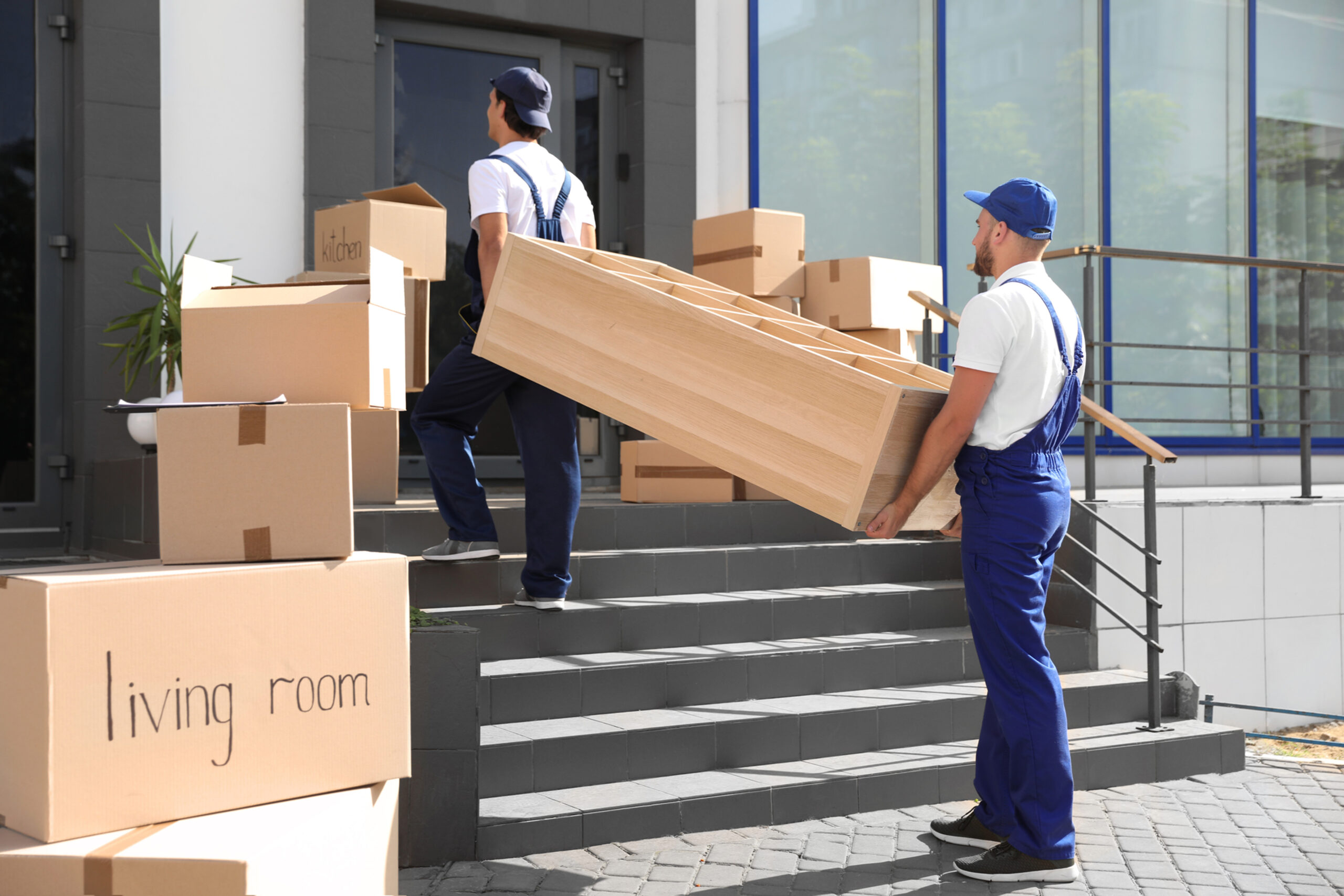
Moving heavy furniture is challenging enough on flat ground. Add a staircase to the equation, and the risk increases significantly. From tight turns to uneven steps, stairs create obstacles that can lead to injuries or property damage if not handled properly. That’s why hiring experienced professionals makes a major difference.
At Affordable Movers, safety is always the top priority. Professional movers are trained to safely navigate stairs with heavy furniture using proven methods, specialized tools, and coordinated teamwork. In this guide, we’ll explain how experts handle these difficult situations and why professional experience matters.
Why Stairs Make Moving More Complicated
Stairs present unique risks during relocation. Unlike flat surfaces, staircases involve elevation changes, limited visibility, and restricted movement.
Here’s why moving furniture on stairs is risky:
- Limited space for maneuvering
- Uneven weight distribution
- High injury risk
- Greater chance of dropping items
- Potential damage to walls, railings, and steps
A single mistake can result in scratched floors, broken banisters, or worse—serious back injuries. That’s why professional movers approach stair navigation with strategy and precision.
The Science Behind Safe Furniture Lifting
Before moving any heavy item upstairs or downstairs, professionals assess weight distribution. Furniture isn’t always evenly balanced. For example:
- Sofas may be heavier on one side.
- Dressers shift weight if drawers aren’t removed.
- Appliances carry concentrated weight in motors or compressors.
Professional movers calculate the center of gravity before lifting. This allows them to control the object rather than letting it control them.
Additionally, trained movers use proper lifting techniques:
- Bend at the knees, not the waist.
- Keep the back straight.
- Lift using leg strength.
- Avoid sudden twisting movements.
These principles reduce injury and maintain control while navigating stairs.
Step-by-Step Process Professionals Use on Stairs
Pre-Move Assessment
Before moving begins, professionals conduct a walkthrough. They measure:
- Stair width
- Ceiling clearance
- Landing space
- Turns and angles
- Handrail placement
This assessment determines whether furniture needs disassembly or special equipment.
At Affordable Movers, planning always comes first. Rushing leads to mistakes, and mistakes lead to damage.
Furniture Preparation
Preparation prevents accidents. Movers may:
- Remove drawers from dressers
- Detach table legs
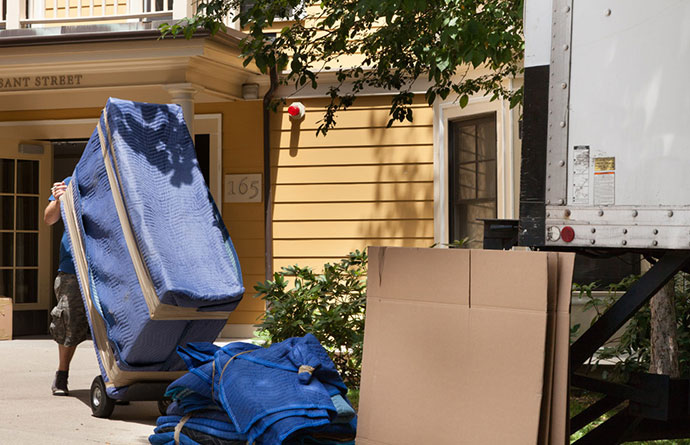
- Wrap furniture in padded blankets
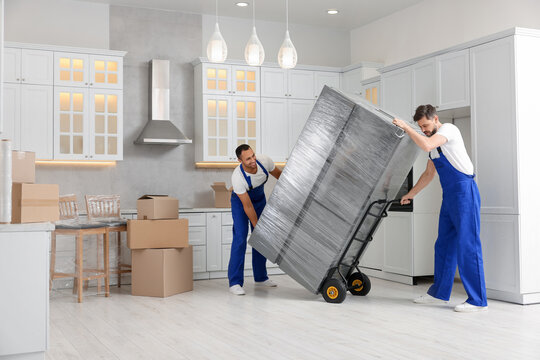
- Secure loose parts with stretch wrap
By reducing weight and stabilizing components, professionals make the piece easier to control on stairs.
Using Specialized Equipment
Professional movers don’t rely on strength alone. They use tools designed for stair safety, including:
Furniture Dollies
Heavy-duty dollies help transport items to stair entry points safely.
Stair-Climbing Dollies
These advanced tools feature rotating wheels that glide smoothly over steps, reducing lifting strain.
Moving Straps
Forearm straps or shoulder harnesses distribute weight evenly between movers.
Protective Padding
Blankets protect both the furniture and stair surfaces.
Equipment makes a dramatic difference. Without it, heavy lifting becomes much riskier.
The Power of Team Coordination
Moving heavy furniture on stairs is rarely a one-person job. Professionals work in teams and communicate constantly.
Common commands include:
- “Step up.”
- “Slow down.”
- “Hold.”
- “Pivot.”
Clear communication keeps movements synchronized. When one mover adjusts grip or footing, the other adapts immediately.
This teamwork minimizes sudden shifts that could cause falls or damage.
Techniques for Moving Furniture Upstairs
Going upstairs requires careful upward force and controlled pacing.
Professionals typically:
- Position the strongest mover at the bottom to support weight.
- Place the second mover above to guide direction.
- Tilt the furniture at an angle that matches the staircase slope.
- Move one step at a time.
Short pauses between steps help maintain balance and prevent fatigue.
Techniques for Moving Furniture Downstairs
Descending stairs presents different challenges. Gravity increases downward force, making control even more critical.
Professional movers:
- Keep the item slightly tilted upward.
- Use slow, steady movements.
- Maintain tight grip control.
- Avoid rushing under pressure.
Going down too quickly increases the risk of losing control. That’s why experienced movers prioritize stability over speed.
Handling Tight Turns and Narrow Staircases
Not all staircases are straight. Many include sharp turns or narrow landings.
Professionals handle tight spaces by:
- Standing furniture upright if possible.
- Rotating pieces strategically at landings.
- Temporarily removing railings if necessary.
- Disassembling bulky items.
Experience helps movers visualize angles before making turns. This prevents scraped walls or stuck furniture.
Protecting the Home During Stair Moves
Stair navigation isn’t just about protecting furniture. It’s also about preserving the home.
Professional movers safeguard property by:
- Installing floor runners
- Padding stair rails
- Using corner protectors on walls
- Applying temporary wall shields
These precautions reduce cosmetic damage such as scuff marks and chipped paint.
At Affordable Movers, protecting your home is just as important as transporting your belongings.
Injury Prevention Is a Top Priority
Heavy furniture and stairs create high injury risks. Back strain, muscle tears, and falls are common in untrained moves.
Professional movers prevent injuries through:
- Proper lifting training
- Wearing supportive footwear
- Using weight-distribution straps
- Taking scheduled breaks
- Following safety protocols
Moving isn’t just about strength—it’s about technique. Professionals know how to protect themselves while protecting your property.
When Disassembly Is the Best Option
Sometimes the safest way to navigate stairs is to reduce size.
Large items such as:
- Sectional sofas
- Bed frames
- Dining tables
- Office desks
can often be disassembled.
Professionals carry tools to quickly and safely dismantle furniture. Once moved upstairs or downstairs, they reassemble everything correctly.
This approach prevents both physical strain and structural damage.
The Role of Experience in Stair Navigation
Experience matters more than many people realize.
An inexperienced mover might:
- Misjudge weight distribution
- Rush under pressure
- Use improper lifting posture
- Forget to protect walls
On the other hand, seasoned professionals anticipate problems before they happen.
At Affordable Movers, our team has handled countless stair configurations—from apartment buildings to multi-level homes. This experience allows us to adjust strategies instantly.
Why DIY Stair Moving Often Leads to Damage
While some homeowners attempt stair moves themselves, the risks are high.
Common DIY mistakes include:
- Attempting to lift without help
- Using low-quality straps
- Forgetting to measure clearance
- Failing to secure loose components
In many cases, the cost of repairing damage exceeds the savings from skipping professional services.
Hiring trained movers is often the safer and more economical choice.
Insurance and Liability Protection
Even with careful planning, unexpected situations can arise. Professional moving companies provide liability coverage for added peace of mind.
This coverage ensures that if accidental damage occurs, financial protection is available.
Affordable Movers prioritizes transparency and customer trust. Our services are designed to protect both your belongings and your investment.
How Affordable Movers Ensures Stair Safety
At Affordable Movers, stair navigation is handled with a structured approach:
- Pre-move inspection and measurements
- Protective wrapping and padding
- Use of professional-grade equipment
- Trained team coordination
- Continuous communication during movement
- Post-move inspection for safety confirmation
We don’t cut corners. Every step is planned carefully.
Our goal is simple: move your furniture safely and efficiently without damaging your home or risking injury.
Tips for Homeowners Before Moving Day
You can also help ensure a smooth stair move by preparing your home:
- Clear stairways of obstacles.
- Remove rugs that may cause slipping.
- Inform movers about tight corners in advance.
- Keep pets and children away from stair areas.
These small preparations improve safety and efficiency.
Final Thoughts
Navigating stairs with heavy furniture requires more than physical strength. It demands planning, proper tools, teamwork, and professional expertise.
From measuring staircases to using stair-climbing dollies, professional movers follow a systematic approach to ensure safe transportation. They understand how to control weight, prevent injuries, and protect both furniture and property.
When you choose Affordable Movers, you’re choosing safety, experience, and reliability. We handle complex staircases with confidence, allowing you to focus on the excitement of your new space rather than the stress of moving day.
If you’re planning a move that involves stairs, trust professionals who know how to do it right. Visit website to learn more about our services and schedule your move today.