
Moving to a new home is exciting, but let’s be honest—it can also feel overwhelming. From packing boxes to coordinating transportation, planning a home move involves dozens of tasks that must happen at the right time. Without a clear strategy, even the most organized homeowners can find themselves scrambling at the last minute.
So, how early should you start planning a home move? Experts recommend beginning at least 6–8 weeks before your moving date. Starting early allows you to stay organized, avoid unnecessary stress, and ensure every step of the process goes smoothly.
In this comprehensive guide, we’ll walk you through a complete moving timeline—from the moment you decide to relocate to the day you settle into your new home.
Why Planning a Home Move Early Matters
Starting early when planning a home move isn’t just a helpful suggestion—it’s often the difference between a smooth relocation and a stressful one.
Avoiding Last-Minute Stress
Let’s face it: moving is one of life’s most demanding tasks. When you postpone preparations, everything piles up quickly. Suddenly, you’re packing late at night, calling movers at the last minute, and trying to remember whether you changed your mailing address.
Early planning allows you to:
- Spread tasks across several weeks
- Avoid rushed packing
- Stay organized throughout the move
- Handle unexpected issues calmly
Instead of feeling overwhelmed, you’ll move with confidence and control.
Financial Benefits of Early Planning
Believe it or not, planning a home move early can save money.
When you book services ahead of time, you often get:
- Lower moving rates
- Flexible scheduling
- Access to reputable moving companies
- Time to compare quotes
Last-minute bookings often cost significantly more because movers have limited availability.
Securing the Best Moving Services
Reliable movers are in high demand, especially during peak seasons such as summer. By starting the process early, homeowners can secure trusted companies instead of settling for whoever is available.
Professional moving services help with:
- Packing
- Furniture protection
- Safe transportation
- Efficient unloading
According to moving industry experts, early booking is one of the most important steps in planning a home move successfully.
Ideal Moving Timeline for Homeowners
A well-structured schedule makes relocation far more manageable. Below is a general timeline most homeowners follow when planning a home move.
8 Weeks Before Moving
This is the ideal time to begin preparations.
Key tasks include:
- Creating a moving binder or digital checklist
- Researching moving companies
- Setting a moving budget
- Decluttering your home
Decluttering is particularly important because it reduces the number of items you must pack and transport.
Consider sorting belongings into categories:
- Keep
- Donate
- Sell
- Discard
Fewer items mean fewer boxes and lower moving costs.
6 Weeks Before Moving
At this stage, the planning phase becomes more practical.
Important tasks include:
- Hiring professional movers
- Ordering packing supplies
- Starting non-essential packing
- Notifying schools or employers
Begin packing items you rarely use, such as seasonal clothing, decorations, and storage items.
4 Weeks Before Moving
One month before the move is when planning a home move enters its busiest stage.
Tasks to complete:
- Change your mailing address
- Notify banks and service providers
- Schedule utility transfers
- Pack most household items
You should also confirm the details with your moving company.
2 Weeks Before Moving
By now, your home should already be partially packed.
Focus on:
- Confirming moving day logistics
- Preparing essential documents
- Packing fragile items carefully
- Arranging childcare or pet care for moving day
Keeping important documents in a separate folder ensures they don’t get lost during the move.
Moving Week
The final week is about finishing touches.
Tasks include:
- Packing remaining essentials
- Cleaning your current home
- Confirming the moving schedule
- Preparing an overnight essentials bag
Your essentials bag should include:
- Clothing
- Toiletries
- Phone chargers
- Important documents
- Basic kitchen items
Step-by-Step Planning a Home Move Timeline
Let’s break down the most important tasks involved in planning a home move so nothing slips through the cracks.
Creating a Moving Checklist
A checklist is the backbone of a successful move.
A typical moving checklist includes:
| Task | Recommended Time |
|---|---|
| Declutter home | 8 weeks before |
| Hire movers | 6 weeks before |
| Start packing | 4–6 weeks before |
| Change address | 4 weeks before |
| Confirm logistics | 2 weeks before |
| Final packing | Moving week |
Checklists help homeowners track progress and ensure no important steps are forgotten.
Budgeting for Your Move
Moving costs can vary widely depending on distance, household size, and services required.
Typical moving expenses include:
- Moving company fees
- Packing supplies
- Transportation
- Temporary storage
- Utility setup costs
Setting a budget early helps homeowners avoid financial surprises later.
Hiring Professional Movers
Choosing the right moving company is one of the most critical decisions in planning a home move.
Look for movers who:
- Are licensed and insured
- Have strong customer reviews
- Provide transparent pricing
- Offer packing services
Professional movers can dramatically reduce the physical and logistical challenges of relocation.
Packing Strategies That Save Time
Packing is often the most time-consuming part of moving.
Efficient packing tips include:
- Pack room by room
- Label every box clearly
- Use color-coded labels
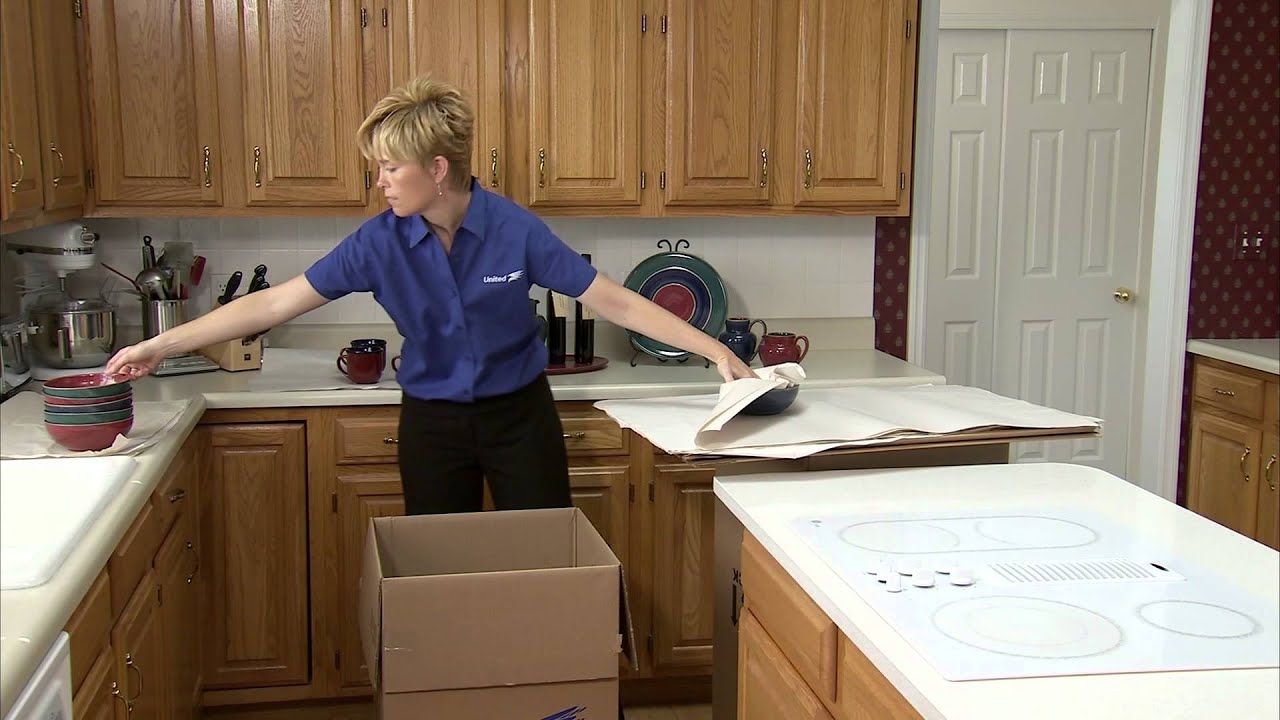
- Wrap fragile items carefully
Also remember to label boxes with:
- Destination room
- Contents
- Fragile warnings
These small details make unpacking much easier.
Managing Utilities and Address Changes
One commonly overlooked part of planning a home move is administrative updates.
You’ll need to notify:
- Electricity providers
- Water services
- Internet providers
- Banks
- Insurance companies
- Subscription services
Failing to update these services can cause unnecessary complications after the move.
Common Moving Mistakes to Avoid
Even experienced homeowners can make mistakes when relocating.
Here are the most common ones.
Waiting Too Long to Start Planning
Procrastination creates unnecessary stress. Waiting until the last few weeks makes packing chaotic and limits your choices for movers.
Starting early ensures a smoother experience.
Underestimating Packing Time
Many people assume packing will take just a few days.
In reality, packing an entire household often takes several weeks.
Allow plenty of time to sort, wrap, and label items.
Forgetting Important Documents
Important documents should never be packed inside random boxes.
Keep items like:
- IDs
- Contracts
- Medical records
- Financial documents
Store them in a clearly labeled folder you carry personally.
Benefits of Hiring Professional Movers
Professional movers can make planning a home move significantly easier.
Efficiency and Safety
Movers are trained to handle heavy furniture and delicate items safely.
They know how to:
- Protect fragile belongings
- Load trucks efficiently
- Prevent damage during transport
Their experience reduces the risk of accidents or broken items.
Insurance and Protection
Professional movers also provide insurance coverage for your belongings.
This adds peace of mind, especially when transporting valuable items such as electronics or antiques.
FAQs About Planning a Home Move
How early should I start planning a home move?
Experts recommend starting 6–8 weeks before your moving date to allow enough time for packing, booking movers, and organizing logistics.
What is the first step when planning a home move?
The first step is creating a moving checklist and timeline to organize tasks and deadlines.
How long does packing usually take?
Packing a typical home can take 2–4 weeks, depending on the number of belongings and available help.
Should I hire professional movers?
Yes, professional movers can make relocation faster, safer, and far less stressful.
What should I pack last when moving?
Pack daily essentials, toiletries, and kitchen basics last so they remain accessible until moving day.
What is the most stressful part of moving?
Most homeowners say packing and coordinating logistics are the most stressful aspects of relocation.
Conclusion
Relocating doesn’t have to be chaotic. With the right timeline and preparation, planning a home move can become a structured and manageable process.
Starting at least six to eight weeks before your moving date allows you to organize tasks, secure reliable movers, and avoid last-minute stress. From decluttering your home to packing efficiently and updating your address, every step plays an important role in ensuring a smooth transition.
Remember, moving is more than just transporting belongings—it’s the beginning of a new chapter. By planning ahead and staying organized, homeowners can turn what seems like a daunting task into an exciting journey toward a fresh start.