Moving to a new home is exciting, but packing the kitchen can quickly become one of the most challenging parts of the process. Kitchens contain many fragile items such as glassware, dishes, small appliances, and sharp utensils. Without proper preparation, these items can easily break or get damaged during transportation. That’s why learning expert kitchen packing techniques is essential for anyone preparing for a move.
Whether you’re moving across town or relocating to another city, proper packing ensures your kitchen belongings arrive safely at your new home. In this guide, we’ll explore professional strategies used by moving experts to prevent damage during transportation, reduce packing stress, and keep your kitchen items organized.
Why the Kitchen Is the Hardest Room to Pack
Among all rooms in a house, the kitchen typically requires the most time and effort to pack. Unlike bedrooms or living rooms, kitchens contain a wide variety of fragile, irregularly shaped items.
Common kitchen items that require extra care include:
- Glassware and wine glasses
- Ceramic plates and bowls
- Mugs and cups
- Small appliances like blenders and coffee makers
- Sharp utensils and knives
- Pantry items and liquids
Each of these items requires a slightly different packing method. Without the right techniques, even a short-distance move can result in broken dishes or damaged appliances.
Professional movers understand that careful organization and proper materials are the keys to protecting kitchen items during transportation.
Start by Decluttering Your Kitchen
Before packing anything, take time to declutter your kitchen. Moving provides the perfect opportunity to get rid of items you no longer use.
Ask yourself these questions:
- Do I still use this appliance regularly?
- Are there chipped dishes or cracked mugs?
- Is this utensil necessary?
Create three categories while sorting:
- Keep
- Donate
- Discard
Reducing the number of items you pack will make your move easier and faster. It also helps reduce the number of boxes required for transportation.
Many professional movers recommend starting kitchen packing two to three weeks before moving day, especially if your kitchen contains many fragile items.
Gather the Right Packing Supplies
Using proper packing materials is one of the most important kitchen packing techniques to prevent damage during transportation.
Essential supplies include:
- Strong moving boxes
- Dish packing boxes
- Bubble wrap
- Packing paper
- Packing tape
- Foam sheets
- Permanent markers
- Box dividers
Dish boxes are especially helpful because they are designed with thicker cardboard to protect fragile items like plates and glassware.
Professional moving companies often use specialized dish packs to add an extra layer of protection.
Packing Dishes the Professional Way
Dishes are among the most fragile items in any kitchen. Packing them incorrectly can easily lead to cracks or breakage.
Step-by-Step Dish Packing Method
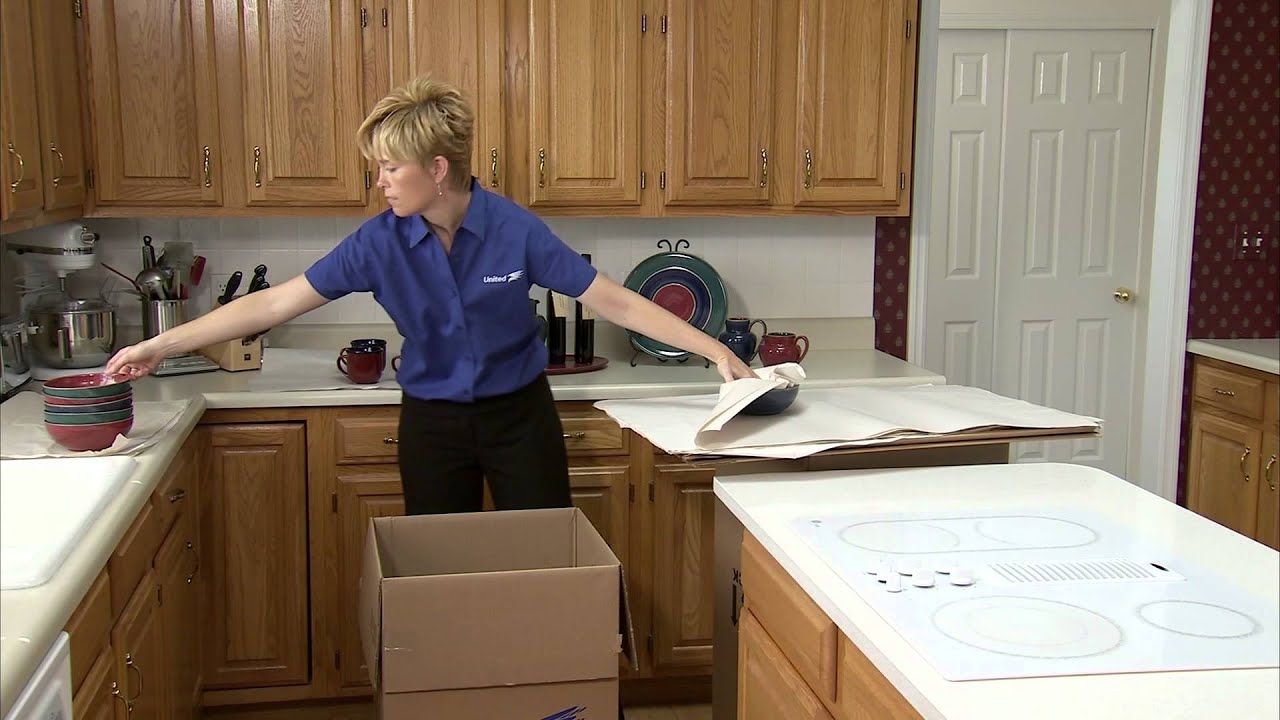
- Line the box with packing paper or bubble wrap to create a cushion at the bottom.
- Wrap each plate individually using packing paper.
- Place plates vertically instead of stacking them flat.
- Add padding between layers.
- Fill empty spaces with crumpled paper.
Packing plates vertically distributes pressure more evenly, reducing the chance of cracks during transportation.
Always label the box “Fragile – Kitchen Dishes.”
Protecting Glassware and Cups
Glassware is particularly delicate and requires extra attention.
Best Techniques for Packing Glassware
- Wrap each glass individually with packing paper.
- Stuff the inside of glasses with paper to absorb pressure.
- Use box dividers to separate each item.
- Place heavier glasses at the bottom of the box.
Wine glasses and stemware should receive additional wrapping around the stems because they are the most fragile part.
Avoid overfilling boxes with glassware, as excessive weight increases the risk of breakage.
Safe Packing Methods for Kitchen Appliances
Kitchen appliances can be heavy, expensive, and sometimes fragile. Proper packing ensures they arrive safely at your new home.
Common Appliances to Pack Carefully
- Microwaves
- Coffee machines
- Blenders
- Toasters
- Food processors
Appliance Packing Tips
- Clean appliances thoroughly before packing.
- Remove detachable parts and pack them separately.
- Wrap appliances with bubble wrap.
- Use the original packaging if available.
If original boxes are not available, choose sturdy moving boxes and fill empty spaces with padding materials.
How to Pack Pots, Pans, and Cookware
Pots and pans are less fragile but still require proper organization.
Best Way to Pack Cookware
- Stack pots together from largest to smallest.
- Place packing paper between items.
- Wrap lids separately to prevent scratches.
- Use medium-sized boxes to avoid excessive weight.
For extra protection, wrap glass lids individually in bubble wrap.
Heavy cookware should always be packed in smaller boxes to prevent lifting injuries and box damage.
Packing Knives and Sharp Utensils Safely
Knives are essential kitchen tools but can be dangerous if packed incorrectly.
Knife Packing Safety Tips
- Wrap each knife blade in thick packing paper.
- Secure the wrapping with tape.
- Place knives inside a knife block if possible.
- Pack them horizontally in a separate box.
Never leave knife blades exposed inside boxes.
For additional protection, you can also use cardboard sleeves to cover the blades.
Organizing Pantry Items
Pantry items require careful attention because they include liquids, glass containers, and food products.
Tips for Packing Pantry Items
- Dispose of expired foods.
- Seal opened containers with plastic wrap.
- Pack liquids in leak-proof bags.
- Place heavier items at the bottom of boxes.
Avoid transporting perishable food items during long-distance moves. Instead, plan to consume or donate them before moving day.
Labeling Kitchen Boxes Properly
Proper labeling is an important but often overlooked part of kitchen packing techniques.
Each box should include:
- Room name (Kitchen)
- Contents description
- Fragile label if needed
- Arrow showing “This Side Up”
Clear labels help movers handle boxes carefully and place them in the correct room at your new home.
This small step makes unpacking much easier later.
Use Smaller Boxes for Fragile Kitchen Items
Many people make the mistake of packing fragile kitchen items in large boxes. However, larger boxes can become too heavy and increase the risk of damage.
Professional movers recommend:
- Small boxes for dishes and glassware
- Medium boxes for cookware
- Separate boxes for appliances
This method ensures weight is distributed evenly and boxes remain manageable.
Create a Kitchen Essentials Box
One helpful moving tip is to pack a kitchen essentials box for your first day in the new home.
This box should include:
- Coffee maker
- Basic utensils
- Paper plates
- Dish soap
- Sponges
- Snacks
After a long moving day, having easy access to these items makes your first evening much more comfortable.
Common Kitchen Packing Mistakes to Avoid
Even with careful preparation, many people make common packing mistakes.
Overpacking Boxes
Heavy boxes increase the risk of damage and are harder to carry.
Skipping Protective Materials
Using insufficient padding can lead to broken dishes and glassware.
Packing Without Organization
Random packing makes unpacking difficult and increases the chance of fragile items being mishandled.
Waiting Until the Last Minute
Kitchen packing takes time, so starting early is essential.
Avoiding these mistakes can save you from frustration during your move.
Why Hiring Professional Movers Helps Protect Kitchen Items
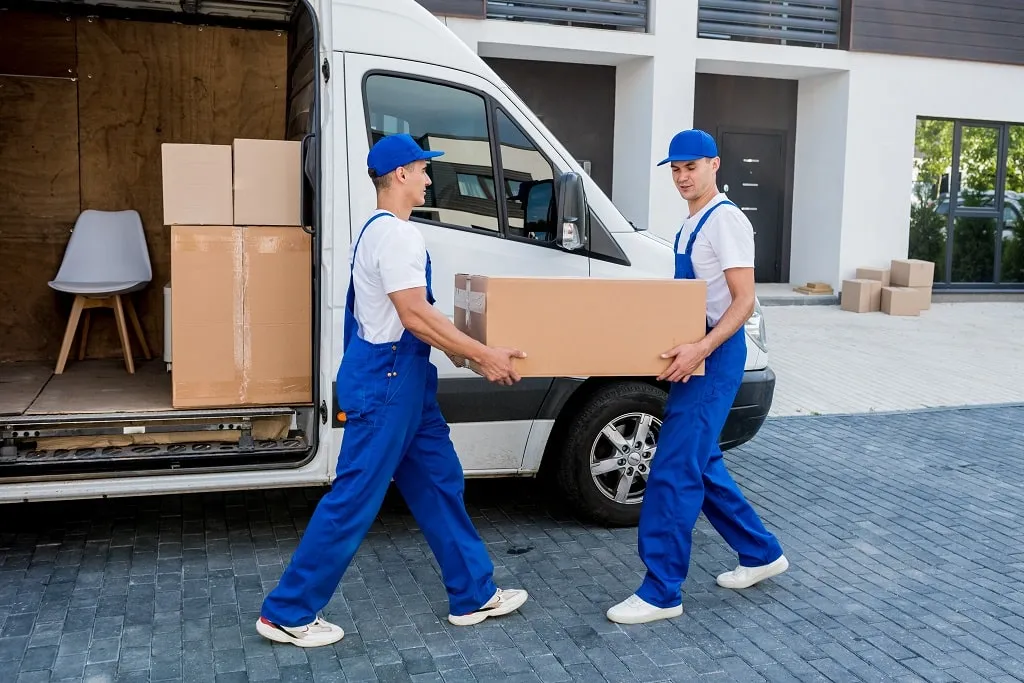
Professional movers use advanced packing techniques to keep fragile items safe.
Benefits of hiring experienced movers include:
- Professional packing materials
- Efficient organization
- Safe loading and transportation
- Reduced risk of damage
Many moving companies also offer specialized packing services for kitchens, ensuring delicate items like china, glassware, and appliances are handled properly.
If you want a stress-free relocation, working with professionals like Affordable Movers can make the process significantly easier.
Final Thoughts
Packing a kitchen requires patience, organization, and the right materials. By following expert kitchen packing techniques, you can significantly reduce the risk of damage during transportation.
From wrapping dishes properly to protecting appliances and labeling boxes clearly, every step plays a role in ensuring your kitchen items arrive safely.
Moving doesn’t have to be stressful. With thoughtful preparation and professional support, you can relocate confidently knowing your kitchen essentials are well protected.
If you’re preparing for an upcoming move, experienced professionals like Affordable Movers can help ensure your belongings—including your most fragile kitchen items—are transported safely and efficiently to your new home.